

AI-powered food waste prevention for university dining
You cook for a headcount that swings meal to meal, so canteens and dining halls over-produce to avoid running out. Winnow measures what actually gets thrown away, station by station, service by service. Catering teams use it to control food costs, hit sustainability targets, and report impact with auditable data.
Running in 3,500+ kitchens across 90+ countries, on campus and beyond.



Benefits for sustainability leads

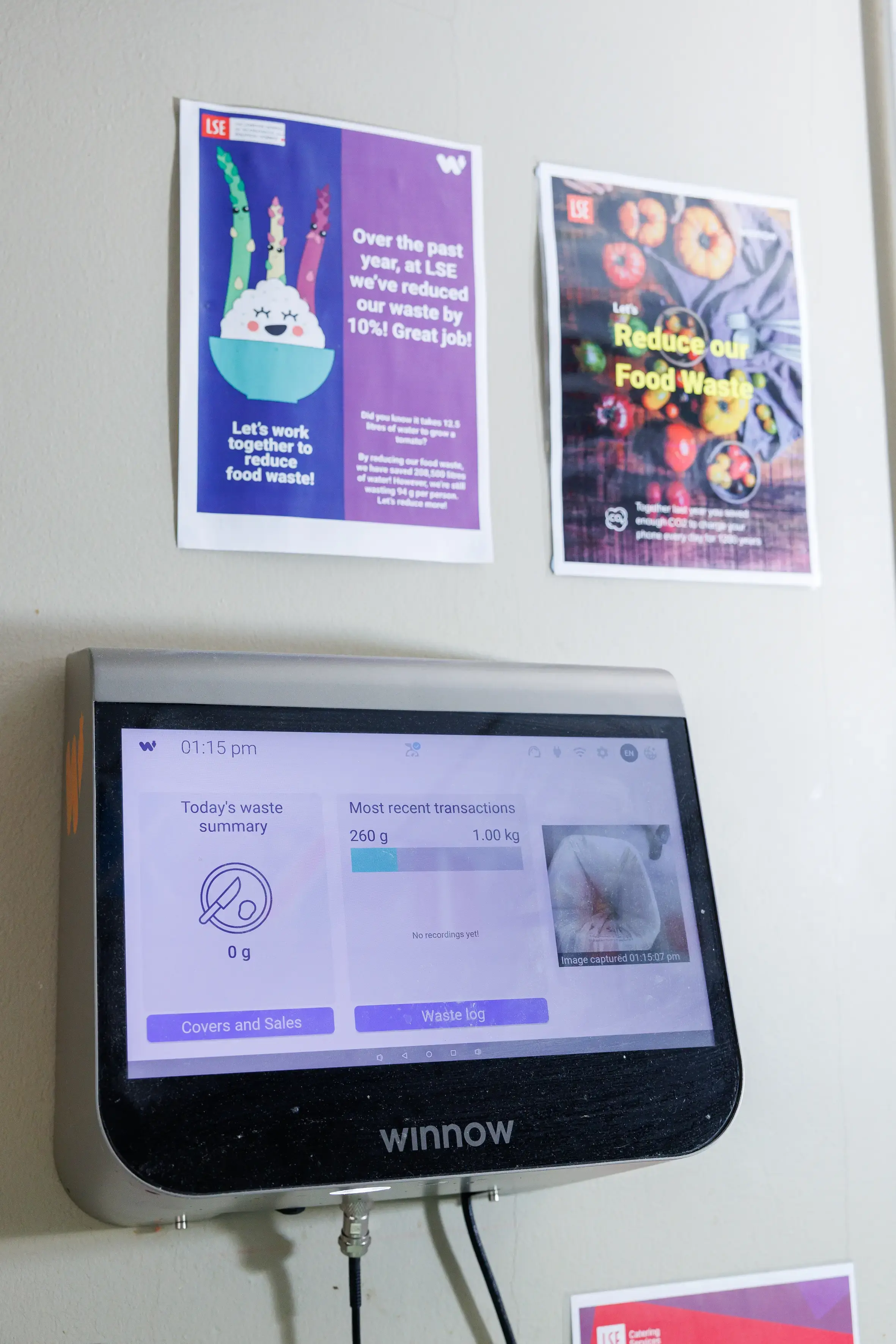
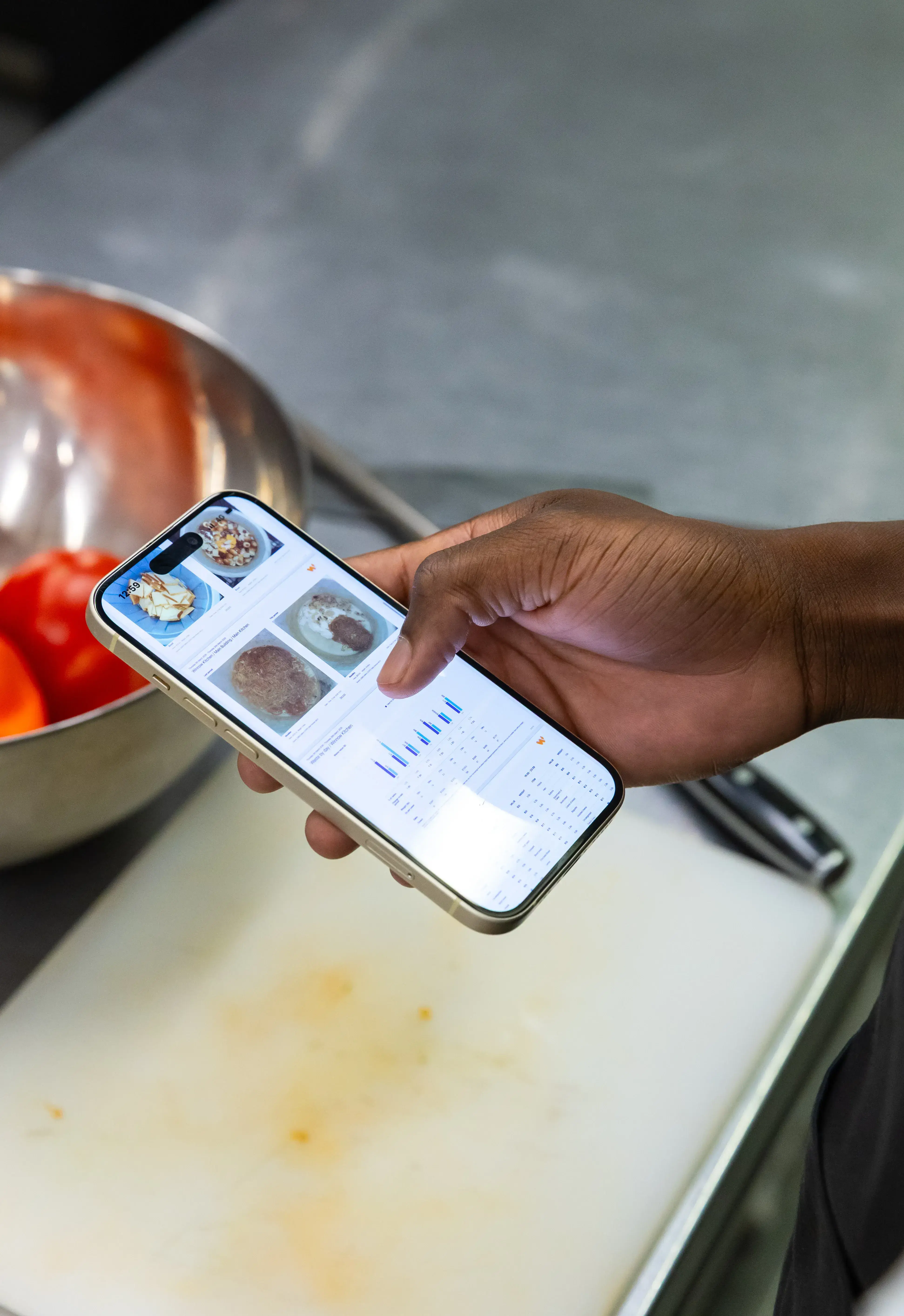
Report on direct measurement, not estimates: every disposal is weighed, timestamped, and photographed for Net Zero reporting.

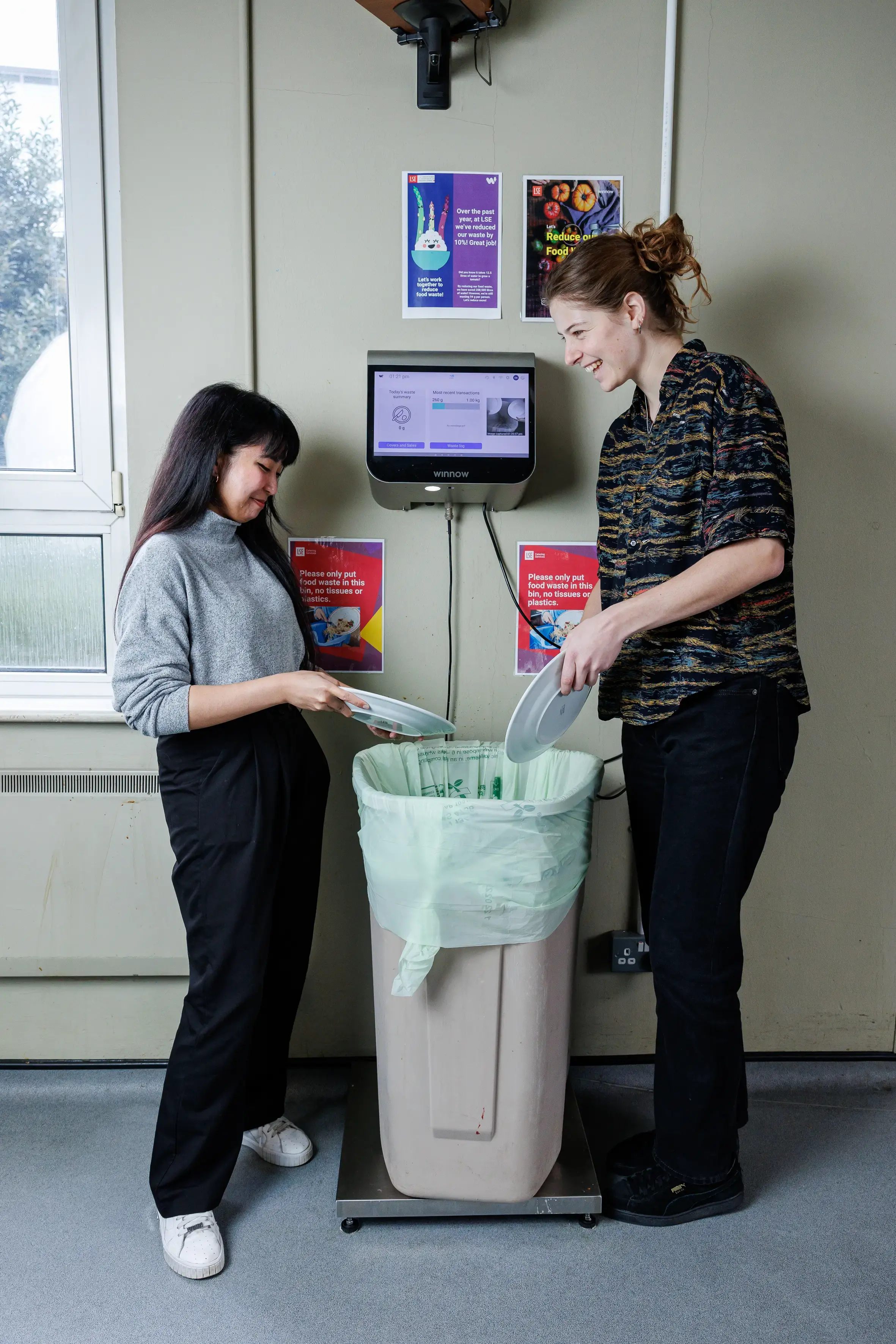
See the student behaviour half of the picture that kitchen data alone misses, with VisionPW measuring plate waste in halls.

Show students the data. LSE Bankside House used weekly Winnow data in a campus campaign and cut plate waste 34%.

Capture food waste automatically. Throw food away as normal and Throw & Go identifies and records it. No scanning. No hassle.
Why universities use Winnow for food waste prevention

What savings look like
Real results from Winnow sites, so you can sanity check the numbers.
Guckenheimer

64%

$1,000,000

1,500 Tonnes

983,000
University of Northern British Columbia
44%*
$9,000
36.8 Tonnes
21,000
Mandarin Oriental, Hong Kong
73%
HK$375,000
36 Tonnes
21,000


The Winnow system is very user-friendly. For me, working in sustainability, I always look into the reports and numbers. Those reports are so beneficial for my audits and help me create impact reports.
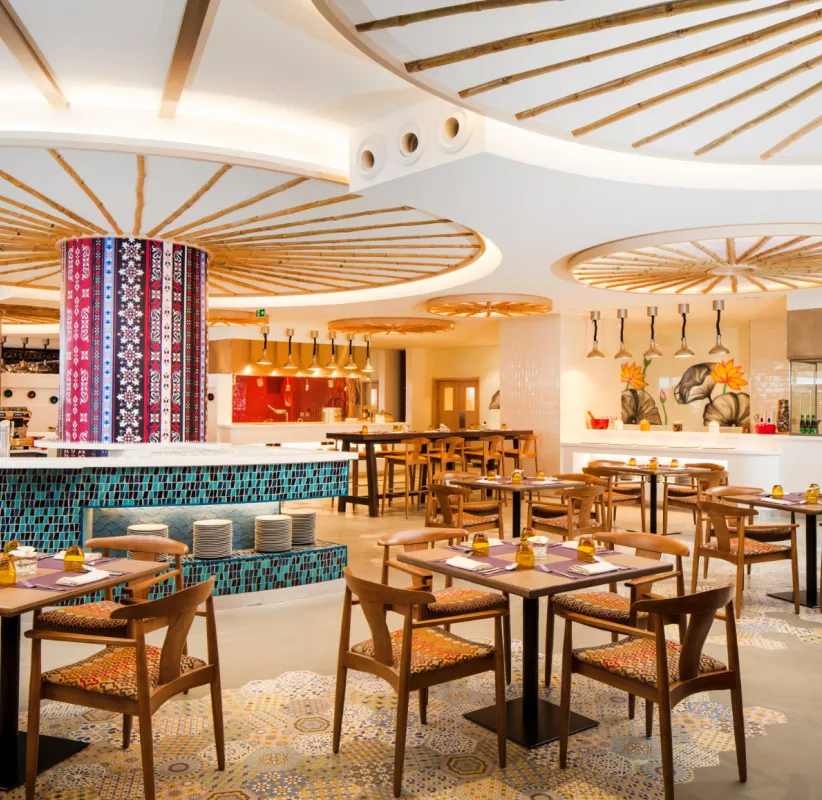

We’ve optimised portion control and quantity at the buffet station, making the food in smaller batches and refilling it more often. The food then arrives fresher and hotter to our guests which helps a lot with maintaining our high guest satisfactions scores.

In hospitality, we have a unique opportunity to be change agents in sustainability. Food waste is one of the most visible and solvable challenges—and tracking it is the first step toward meaningful action.
Turn food waste into measurable savings
Winnow measures what your kitchens on campus throw away and forecasts what they should produce. Your teams get a report they can act on before the next service.

2 to 8%

6 to 12 months

50%

3,500+
Campus kitchens can cut waste by more than half in year one, saving thousands per kitchen.
- Measured, not estimated. Every disposal weighed, timestamped and photographed.
- No extra work for staff. Throw & Go records waste with nothing to scan or select.
- Plate waste, not just kitchen waste. VisionPW measures what students leave behind.
- Live in about 15 minutes. No technician, no IT project.
Request a free university demo
Ready to reduce food costs in your kitchens?
See how Winnow helps your kitchens produce the right amount. Kitchens worldwide trust it.