Addressing Global Food Waste
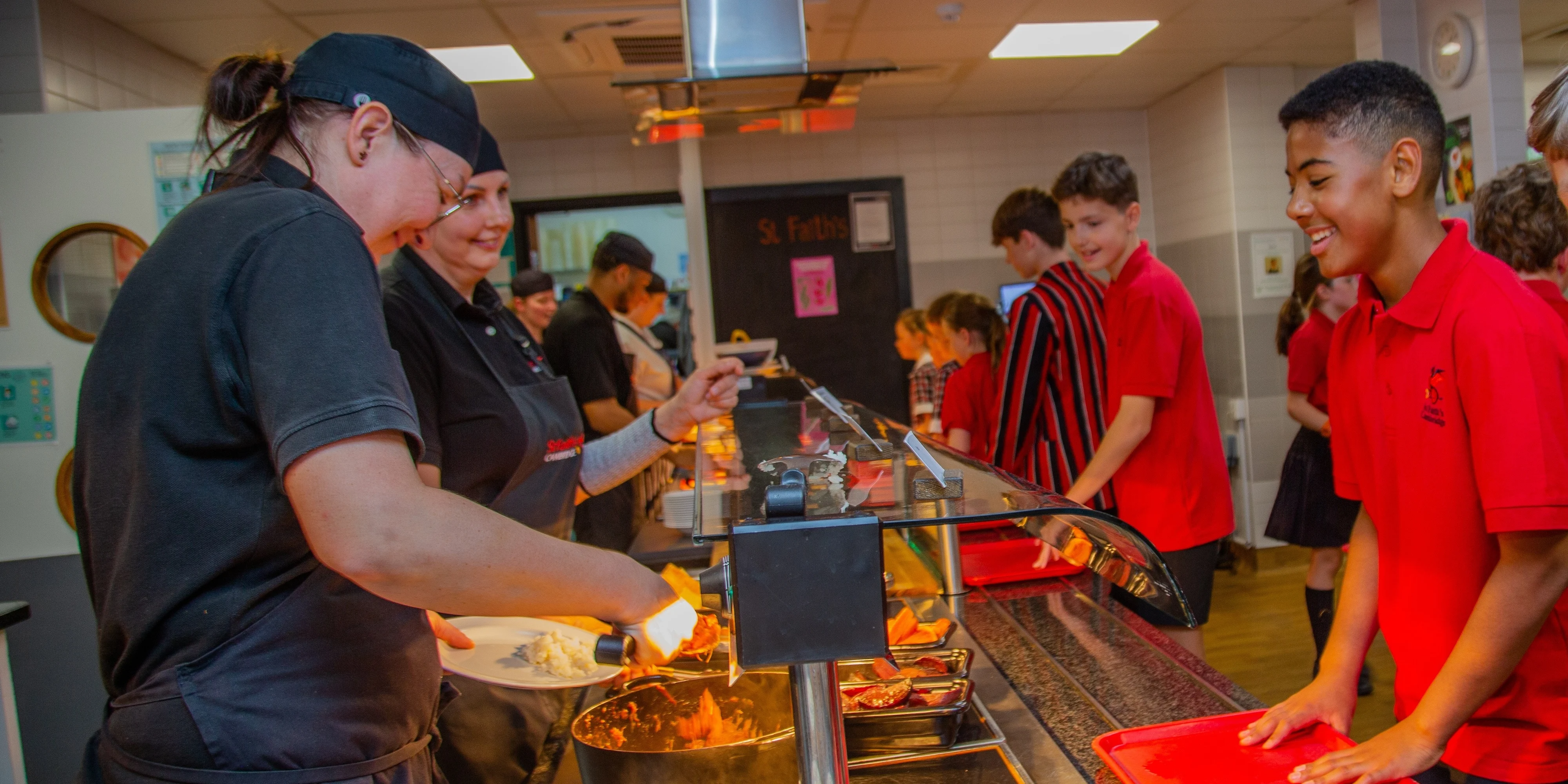
Food waste is a global issue with environmental, social, and economic impacts. The United Nations estimates that one-third of all food produced is wasted, contributing significantly to greenhouse gas emissions. In the UK, schools play a crucial role in shaping future generations' attitudes towards sustainability. St. Faith's has embraced this responsibility, incorporating food waste education into its curriculum and daily operations.
Implementation of Winnow
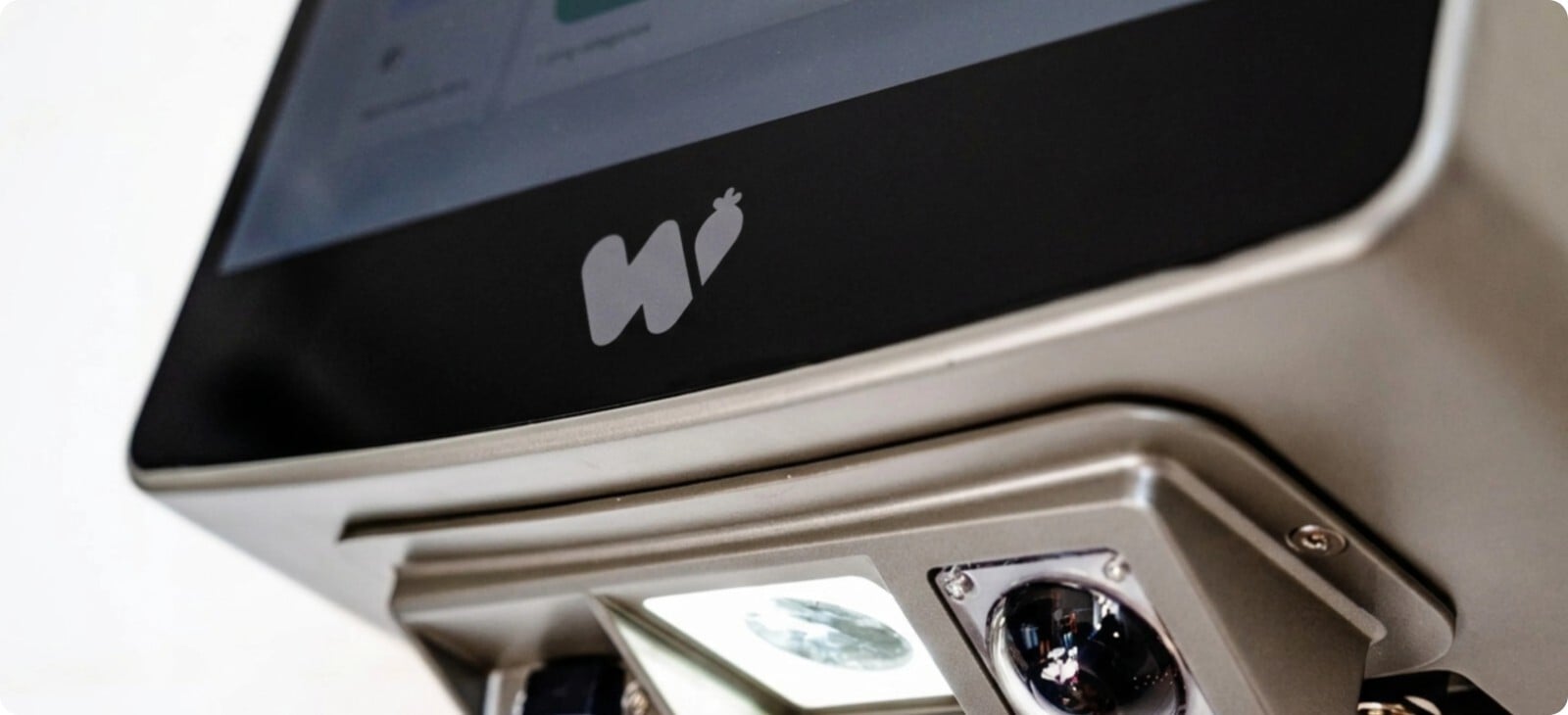
St. Faith's started using Winnow in 2017 after being recommended by Chartwells Independent. Winnow's system uses a scale to track discarded food in the kitchen. This system records the type and amount of food waste, providing detailed reports that help kitchen staff understand waste patterns.
The daily email reports summarise key findings, offering insights into what's being wasted and why. Additionally, the Winnow Hub is an online platform where historical data is stored and analysed, allowing the team to track long-term trends and measure the impact of their waste reduction efforts.
Using data gathered, St. Faith's has implemented several targeted initiatives:
With detailed reports the kitchen team have identified which dishes are unpopular and whether portion sizes need adjusting. This practice ensures that menu planning is more efficient and aligned with student preferences, significantly reducing food waste.
In the kitchen, creativity and sustainability go hand in hand. Instead of discarding leftover ingredients, the team finds inventive ways to repurpose them. Carrot skins are dried and used as crunchy salad toppers, broccoli stalks are transformed into tangy kimchi, cauliflower leaves are mixed with florets to create flavorful dishes, and fruit trimmings are infused into water for refreshing drinks. These practices ensure that almost every part of the ingredients is utilised, demonstrating a commitment to waste minimization and culinary innovation.
One of the significant contributors to food waste in schools is plate waste—perfectly good food left uneaten. By analysing which foods are most often left on plates, the kitchen team can make informed adjustments to portion sizes and meal offerings. Additionally, they educate students on the importance of finishing their meals, turning every lunch period into a learning opportunity about food conservation. This targeted approach has led to a noticeable reduction in plate waste, making a significant impact on overall waste reduction.
Education is at the heart of St. Faith's sustainability efforts. The data gathered doesn't just stay in the kitchen—it's brought into the classroom. During school assemblies, students learn about the environmental impact of food waste, supported by real data from their own school. The eco committee, made up of passionate students, uses this data to spearhead various sustainability initiatives. This hands-on learning experience instils a deeper understanding of sustainability in students, encouraging them to take an active role in waste reduction.
Future Sustainability Goals
Looking ahead, St. Faith's plans to continue reducing food waste and passing on this information to the school community. The school is also exploring the use of energy-efficient equipment and has recently installed solar panels above the kitchen to power their operations sustainably.
Conclusion
St. Faith's School exemplifies how educational institutions can lead by example in sustainability. By leveraging Winnow's AI technology and fostering a culture of environmental responsibility, the school sets a new standard in reducing food waste. Their ongoing efforts and innovative practices continue to create positive impacts, benefiting both the environment and the local community.