

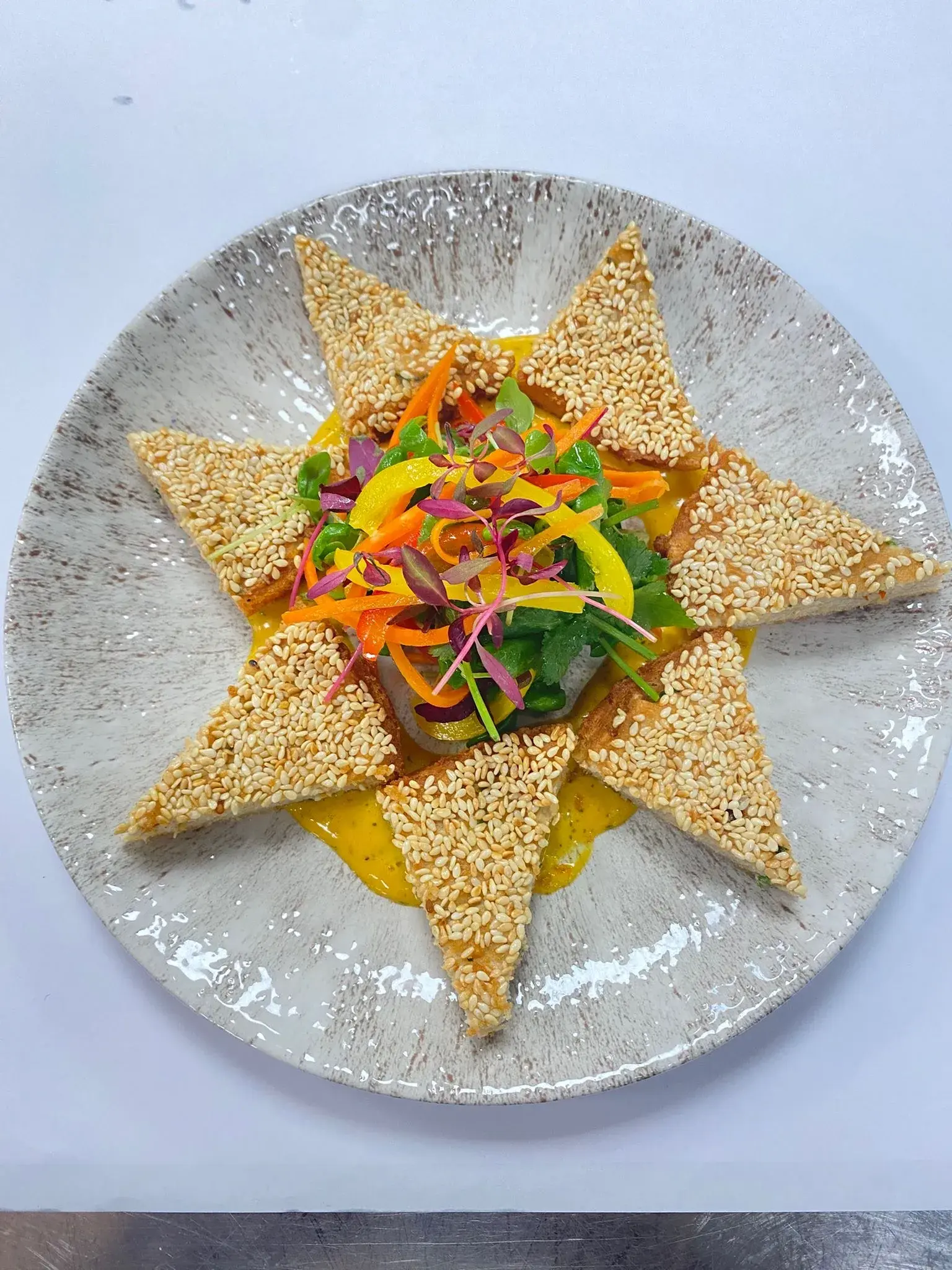
Holiday Inn London Bloomsbury is located in the bustling heart of London catering to a diverse clientele. With an average of 800 daily covers and a dedication to high-quality dining, the hotel balances its commitment to exceptional service with sustainability. Aligning with IHG’s Responsible Business goals and supporting the UN’s SDG to halve food waste by 2030, the hotel adopted Winnow’s AI technology to address food waste and reduce its environmental impact.

If you cook that with so much passion, why would you see that going into a bin? If you don’t measure, you won’t know what’s going in the bin, and you will be surprised.





Motivation
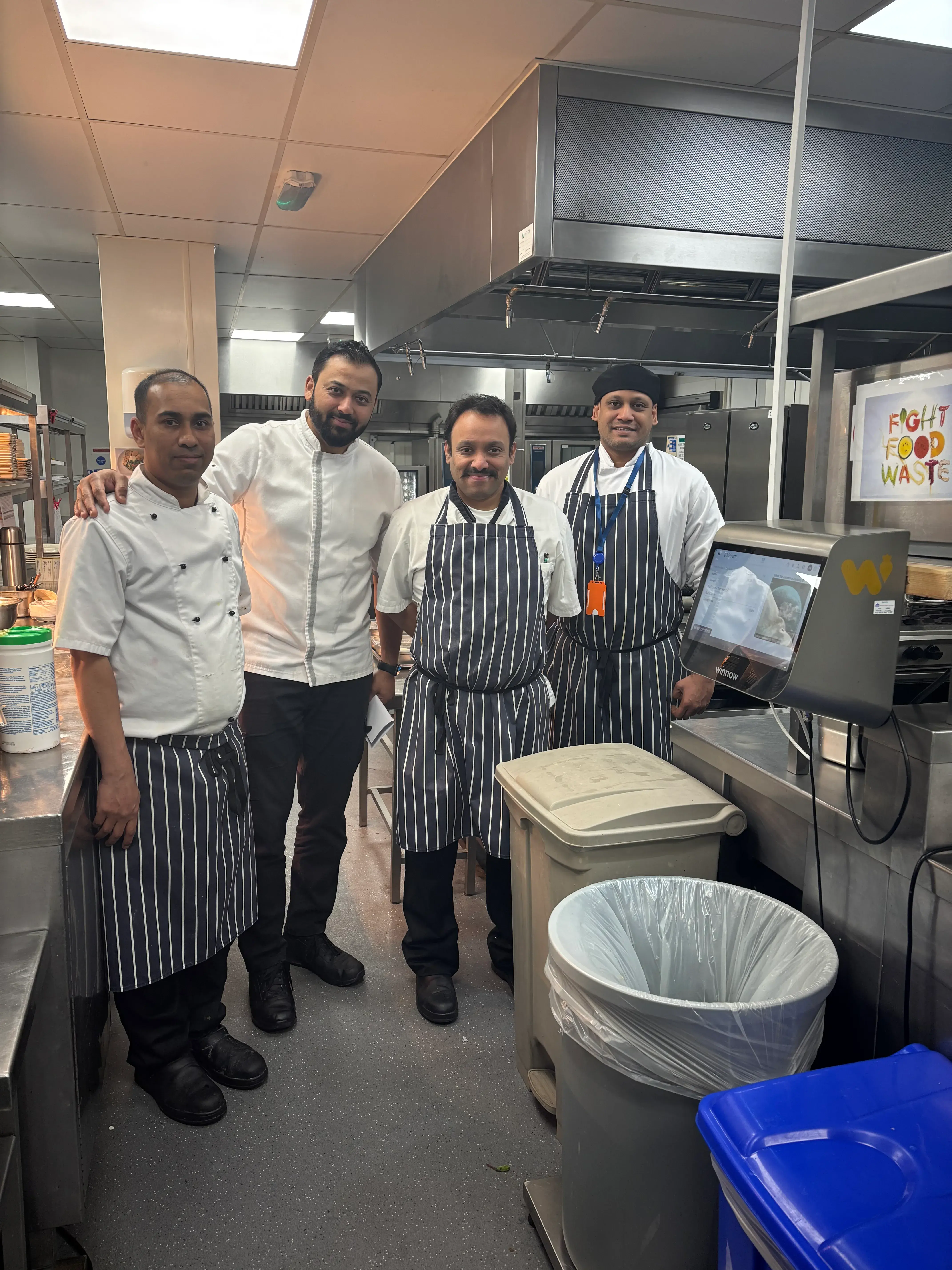
For Executive Chef Nitin Padwal, adopting sustainable practices reflects both professional responsibility and personal values. Having grown up in India with a farm, he learned from an early age to respect every ingredient. “Food waste doesn’t exist back home,” Chef Nitin explains. This aligns seamlessly with IHG’s global sustainability initiatives. When Winnow was first installed the sheer volume of food waste seen was an eye-opener—especially in areas we least expected, such as staff meals. Chef Nitin explains how with Winnow his team had the “tools to take a practical, results-driven approach to waste reduction.”
Actions
Within 6 months the team was able to pinpoint waste trends, adjust production levels, and optimize kitchen processes resulting in 34% reduction in food waste. Key actions included:
- Adjusting Production: The team analyzed waste data to identify patterns in overproduction, such as preparing too many pizzas or defrosting full portions when only half was required - instead of defrosting an entire apple pie, it is pre-sliced and frozen, enabling the team to defrost only what is needed.
- Training staff: Employees were trained to use data insights for proactive menu planning and inventory management, ensuring preparation aligned more closely with actual demand.
- Revising buffet restocking processes: The hotel shifted from replenishing large quantities at once to restocking in smaller batches. This approach was tailored to guest flow and meal times, ensuring fresher food on the buffet while minimizing overproduction and leftovers.
Creative Repurposing
One of the most notable actions of the hotel’s waste reduction journey was the creative repurposing of ingredients. Chef Nitin encouraged his team to reimagine leftovers as opportunities for new dishes:
- Curry Cakes: Leftover chicken curry was combined with mashed potatoes and softened bread crusts to create flavorful “Thai Curry Cakes,” which became a favorite among staff and guests.
- Fish Toast: Trimmings from fish preparation were blended with eggs and spices, spread on leftover bread, coated in sesame seeds, and fried into crispy snacks.
- Bread and Butter Pudding: Leftover bread tops and bottoms from breakfast were transformed into a rich, indulgent dessert.
- Potato Skin Crisps: Potato peels were seasoned with chili, garlic, and lemon, then baked into crunchy crisps for staff snacks.
Team Engagement
Chef Nitin made team engagement a priority, holding daily briefings to instill a waste-conscious mindset. Staff were encouraged to view food waste as an opportunity for innovation rather than an inevitable byproduct of kitchen operations. “It’s about inspiring the team,” Chef Nitin explained. “They’re in the kitchen with the food—they should think, ‘What can I do with this?’ rather than letting it end up in the bin.”
Future Plans
Building on its success, Holiday Inn London Bloomsbury has ambitious plans to further enhance its sustainability efforts. The next phase of its strategy focuses on tackling plate waste. The hotel also intends to introduce guest-facing communications to raise awareness about food waste, encouraging diners to play an active role in reducing waste. Additionally, the team will continue to engage staff in creative waste-reduction initiatives. With these measures in place, Executive Chef Nitin Padwal aims to achieve a 50% reduction in food waste by the end of 2025.
Holiday Inn London Bloomsbury’s partnership with Winnow demonstrates the transformative power of data-driven technology and creative problem-solving. By embracing innovation and empowering its team, the hotel reduced food waste, saved money, and showcased a sustainable path forward for the hospitality industry.


Ready to reduce food costs in your kitchens?
See how Winnow helps your kitchens produce the right amount. Kitchens worldwide trust it.