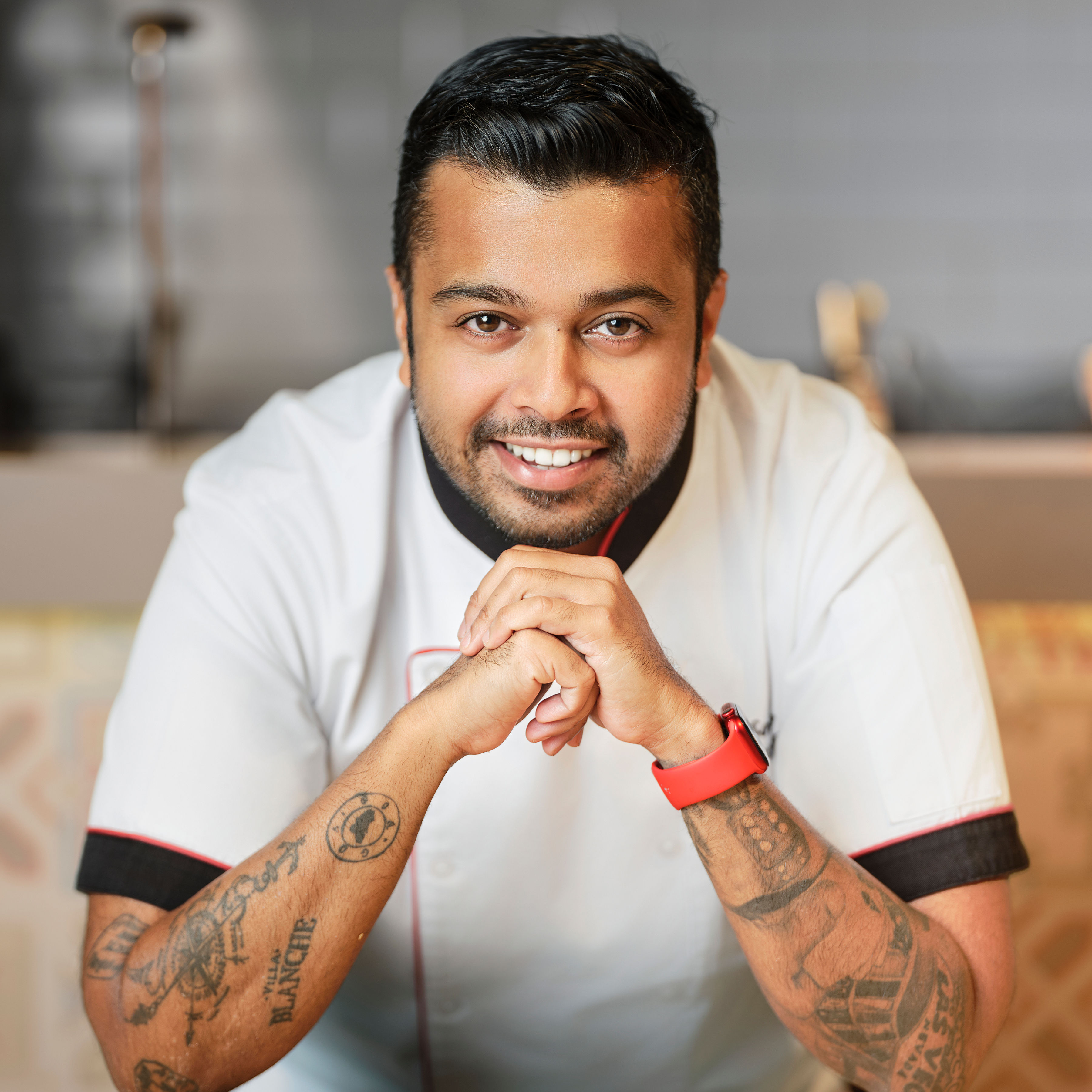
The Chef behind the Change
Ajinkya Soundankar, Executive Chef at NH Collection Dubai The Palm, brings years of global culinary experience. His career has spanned New York, Las Vegas, Thailand, India, and the Middle East, where he cultivated a deep appreciation for both traditional and innovative food practices. Early exposure in his family’s pastry business also rooted his respect for ingredients that later evolved into his philosophy of responsible cooking.
All Day Dining
At Maiora, the scale of operations posed a major challenge. Breakfast service alone often saw overproduction of dishes like scrambled eggs and sautéed vegetables, leading to 5–7kg of daily waste during low-traffic periods. With over 1,200 daily covers, this was both financially and environmentally unsustainable.
Data-Driven Decisions
Daily performance reviews were driven by Chemes, the hotel’s Assistant Hygiene Coordinator & Winnow Ambassador.
“Every morning, we sit down and ask: what went wrong yesterday? We track everything—breakfast, lunch, dinner, product by product.”
Chemes, Assistant Hygiene Coordinator & Winnow Ambassador
Chemes translated data into meaningful action, reporting trends, training staff, and championing change within the kitchen brigade.
A key insight from Winnow was the identification of peak waste periods—particularly 10:00–10:30 AM during breakfast. This allowed the team to implement cook-to-order at this time, significantly reducing waste on items like scrambled eggs and vegetables. “It’s not just about making less food—it’s about making it at the right time.” explains Chef Ajinkya.
Actions Taken
Analysis of waste enabled smarter menu planning and better ingredient use. The team implemented a wide range of impactful strategies:
- Watermelon Portioning: Switching from cubes to wedges reduced daily waste.
- Date Seed Coffee: Pitted date seeds were dried, roasted, and ground into a unique, sustainable coffee alternative.
- Stock Production: Bones and trimmings were repurposed to create rich, flavourful broths.
- Ingredient Repurposing: Sautéed vegetables became side dishes; meat trimmings were used for koftas.
- No-Bin Canteen: Removing bins in the staff cafeteria reduced waste from 35kg to 5kg, simply by encouraging mindful consumption.
Inspiring the Next Generation of Chefs
Chef Ajinkya sees food waste reduction as part of a broader mission to educate future culinary leaders. “When I did my graduation, there was nothing called sustainability. But I wish young chefs entering the kitchen today already have that awareness.” He now champions the inclusion of sustainability in culinary school curricula, ensuring the next generation of chefs are equipped to lead with purpose.
Future Plans
Ajinkya plans to transition the hotel’s kitchens to fully electric, induction-based, further reducing emissions. There are also plans to scale Winnow to other outlets, making food waste intelligence a property-wide standard. The transformation at NH Collection Dubai The Palm demonstrates the power of data, leadership, and culture in driving sustainability. Under Ajinkya Soundankar’s direction, and with support from Chemes and the kitchen team, Maiora evolved into a data-led, environmentally conscious operation—saving meals, cutting emissions, and improving the guest experience.


.webp)