The Challenge
With daily catering demands and a wide variety of menu offerings, food waste was a growing concern. Overproduction, plate waste, trimmings, and inventory losses were identified as key contributors. To tackle this Celine Schuurman, F&B Manager says “We created new ways of working. We shifted to smaller portions, clearer communication, and encouraged guests to take only what they will eat. This helped us cut down significantly on banqueting waste.”
Motivation for Change
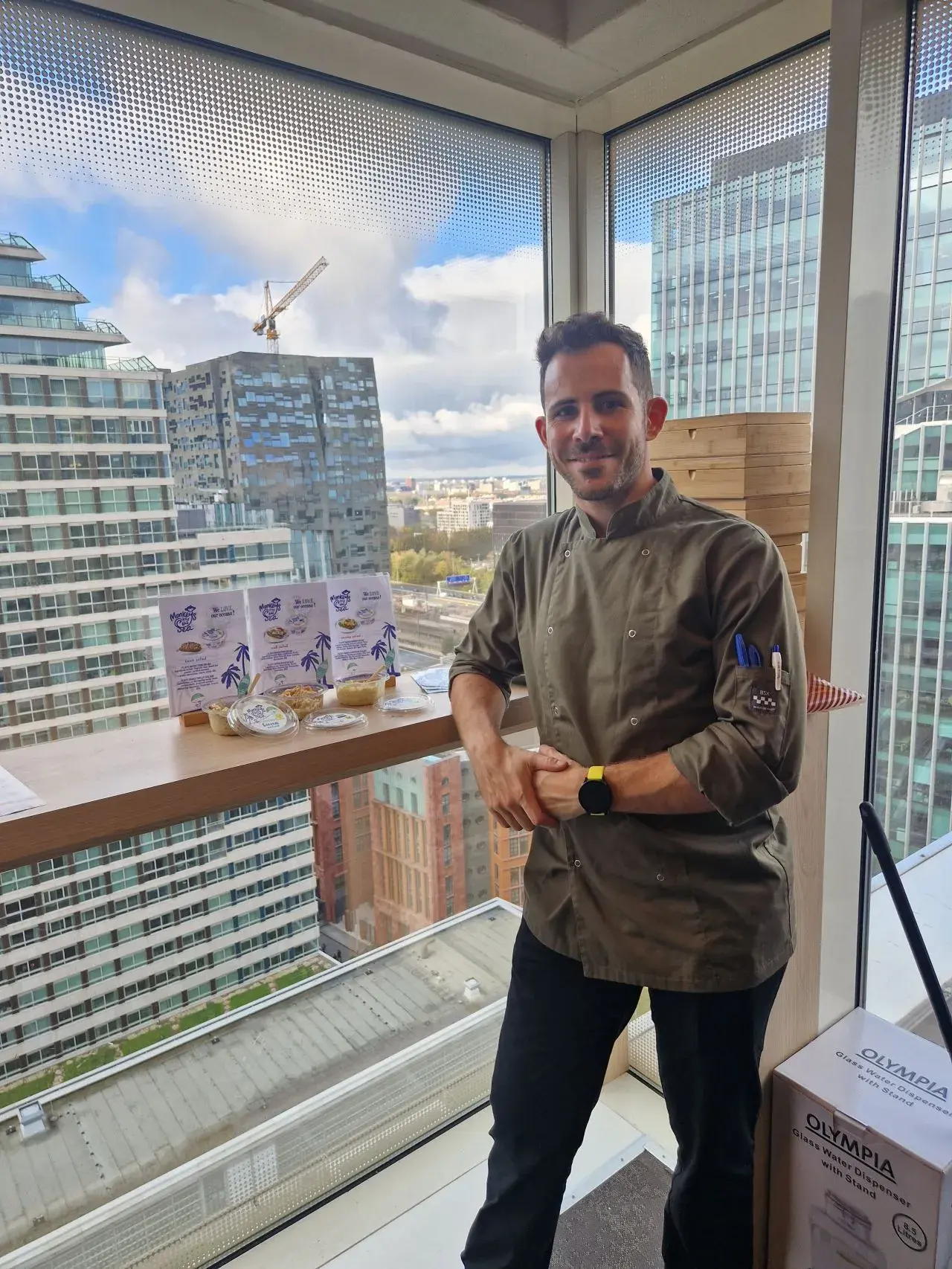
For Head Chef Nikolaos Stelliou, the decision to adopt Winnow was rooted in desire for a sustainable work culture: “For me It’s good to work in a healthy working environment where sustainability is a focus. Babs Raedts, Sustainability Project Manager, echoed this sentiment: “over 30% of all the food that’s produced worldwide is wasted and we have a duty to take action to reduce this.”
Reporting
Since installing Winnow, weekly reports have proved instrumental. Insights revealed that a substantial portion of waste stemmed from dishes like sandwiches and salads. Before installing Winnow these were overlooked waste contributors. The team acted swiftly by adjusting recipes, optimizing prep and creating new dishes.
Creative Use of Surplus
One standout initiative was the development of Poké bowls and salad bar features using surplus ingredients. Leftover rice is used as a base for salads, paired with toppings like: fresh vegetables, tempeh, beans and chicken. Chef Nikolaos shared “You can play easily with rice and vegetables. So you can make whatever you really like.” These dishes not only minimized waste but became a hit with customers, often being incorporated into new menu cycles.
Repurposing Trimmings
The kitchen team took a proactive approach to trimmings. Vegetable peels and trimmings were transformed into soups, while excess fruits were blended into smoothies, ensuring minimal waste at every prep stage.
Marketing and Awareness
Communicating impact was a key part of the sustainability journey. The team used digital screens in the restaurant to showcase updates and progress. Quarterly sustainability meetings also kept internal teams aligned. “We let guests know how much impact we’ve had to bring awareness to guests too” shared Celine. “We also always discuss the food waste numbers with our sustainability team,” added Babs.
Future Plans
Looking ahead, the team aims to deepen local partnerships, integrate more seasonal and plant-based dishes, and continue leveraging data to evolve operations. “Technology like Winnow has opened our eyes... we use everything now from root to tip.”
Chef Nikolaos offers one clear takeaway: “Measure everything. You can’t manage what you don’t measure.” ISS has demonstrated that meaningful change is possible when insight meets action. By embracing Winnow’s technology, empowering their kitchen team, and communicating their progress clearly, they’ve significantly reduced food waste while maintaining high standards of food quality. Their success is not just a result of better tools, but a testament to a team-wide culture of sustainability and continuous improvement.