The Challenge
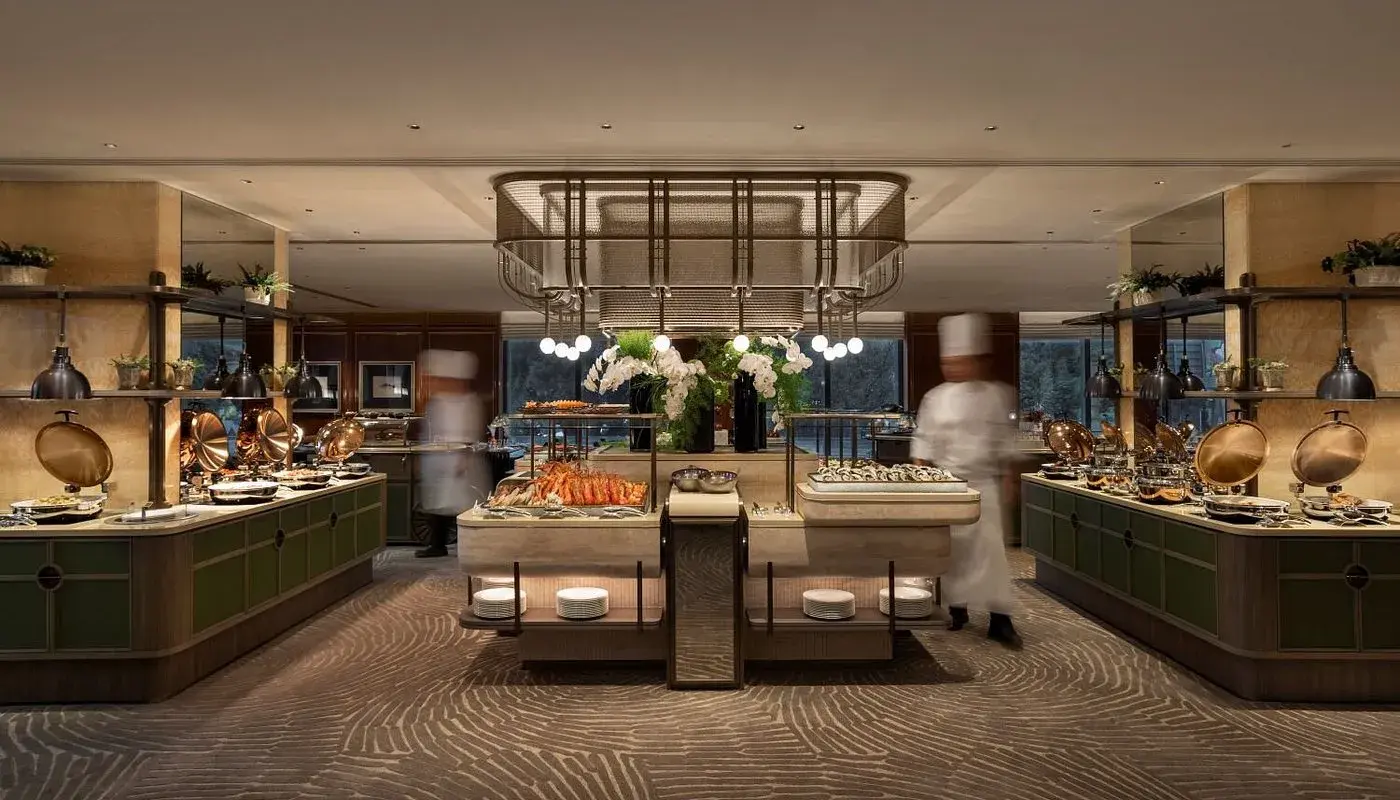
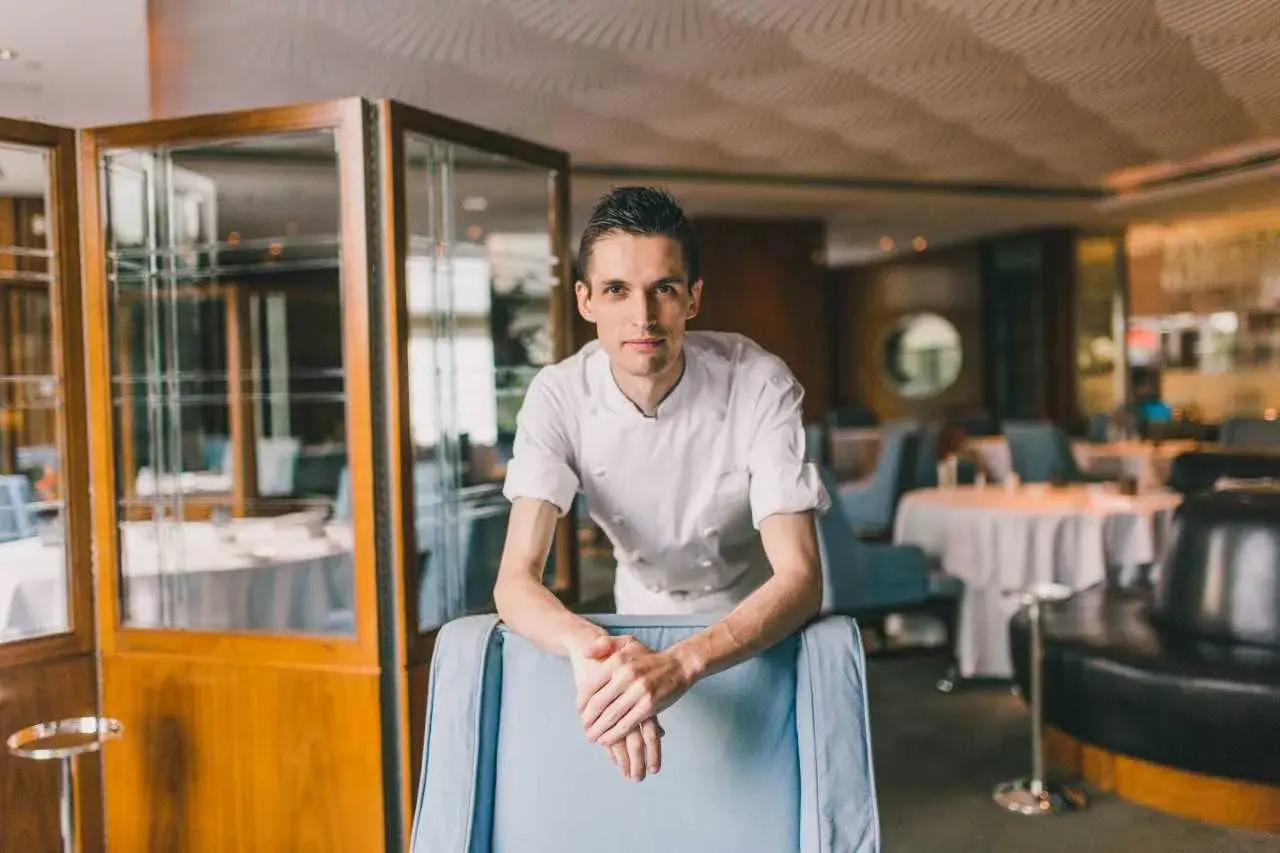
Operating ten food and beverage outlets with over 900 daily covers, Mandarin Oriental, Hong Kong faced significant challenges in managing food waste. Executive Sous Chef Simon Guthridge has been instrumental in integrating Winnow into the hotel’s operations, driving both mindset and operational changes. “You might think, two or three kilos of vegetables isn’t a lot, but it builds up over a month, three months and is quite significant,” says Chef Simon.
Motivation for Change
Mandarin Oriental, Hong Kong’s commitment to sustainability goes beyond operational improvements—it reflects a dedication to preserving resources for future generations. As one of the pilot hotels in a group-wide initiative to install Winnow technology by 2025, the property sought to lead by example. “Sustainability helps preserve our planet’s natural resources as well as educating people in the process. It will only benefit future generations to come,” shared Chef Simon.
Insights
Winnow’s analytics provided the team with actionable insights such as:
- Overproduction on Weekends: Chefs prepared the same quantity of food on weekends as weekdays, despite a 30–40% drop in demand. Adjusting production immediately reduced waste.
- Top Wasted Items: Vegetables and rice were the largest contributors to waste. Reflecting on these findings, Chef Simon Guthridge shared, “Always look to see where you can utilize every single ingredient, think ahead, keep asking yourself, how can I use it? Food has endless combinations.”
Strategies and Actions Taken
Based on the data insights, Mandarin Oriental, Hong Kong implemented several impactful initiatives:
- Menu Adjustments: Engineering menus to reduce waste from unpopular dishes and overproduced items.
- Ingredient Repurposing: Leftover vegetables are used for meat and chicken stews which are extremely popular. Leftover rice is used for fried rice.
- Time adjustments: Reducing weekend preparation volumes to reflect lower demand.
- Composting: A food digester converted leftovers into fertilizer, which was distributed to local farms.
Future Goals
Mandarin Oriental, Hong Kong aims to expand Winnow’s technology to its preparation kitchen, where substantial volumes of fruits, vegetables, meats, and fish are processed. The team also envisions developing zero-waste menus and enhancing ingredient tracking to reduce waste at its source.
Conclusion
Mandarin Oriental, Hong Kong’s partnership with Winnow exemplifies how luxury hospitality can lead in sustainability. By leveraging AI technology, the hotel achieved a 73% reduction in food waste, saving HKD 375,000 annually and significantly reducing its carbon footprint. Their journey demonstrates that operational excellence and environmental stewardship can go hand in hand, setting a benchmark for the hospitality industry.