

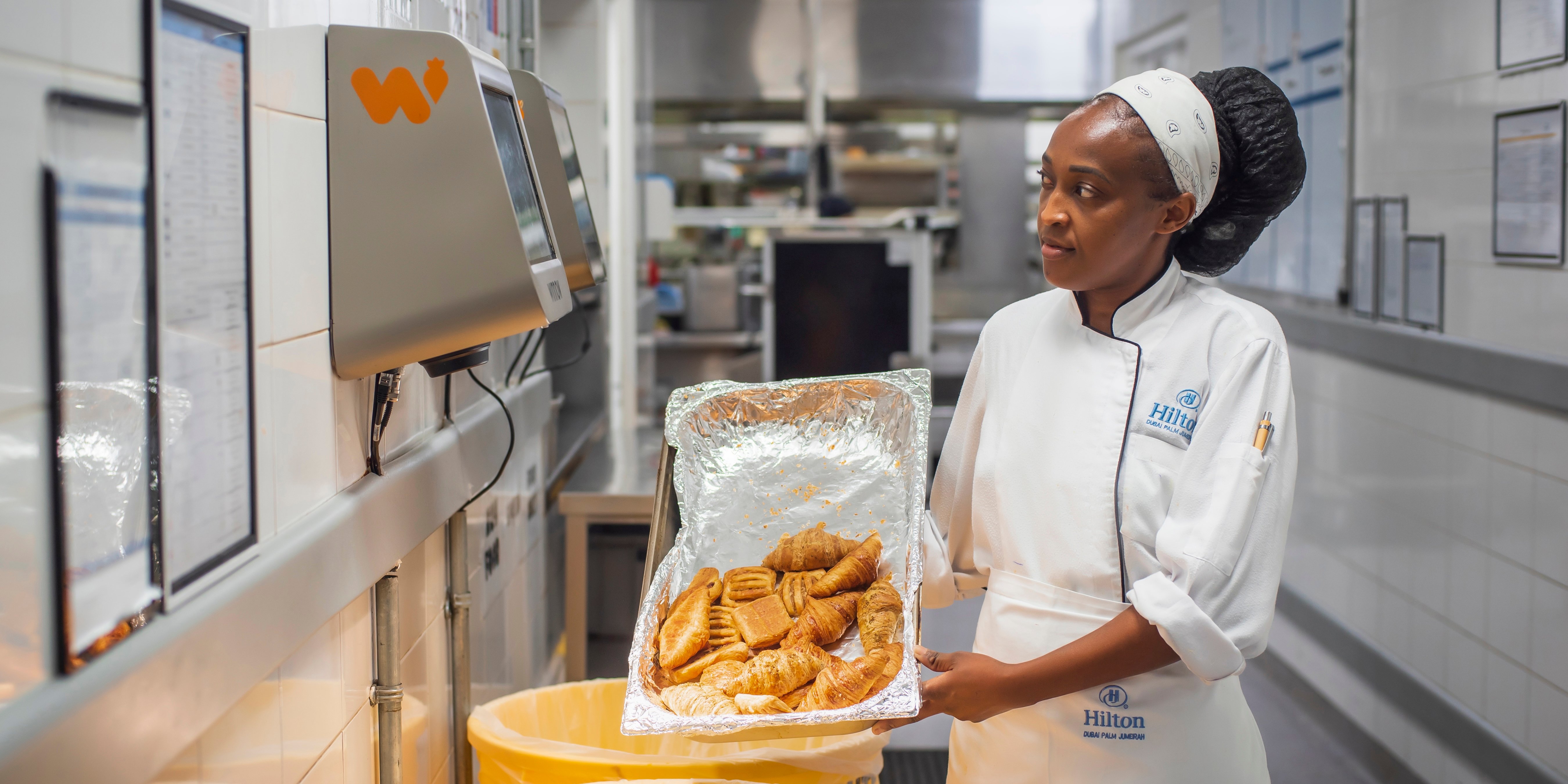
Choosing a food waste management system comes down to three checks: 1. whether capture holds up during a busy shift, 2. whether the data is granular and audit-ready enough for cost and sustainability reporting, and 3. whether the vendor's support model scales past one pilot site. Winnow, an AI food waste system running in 3,500+ kitchens across 94 countries, helps clients cut food costs 2 to 8 percent with a typical 2 to 10x first-year return, largely because capture asks nothing extra of kitchen staff.
Key facts
- Winnow's AI is 80% accurate, and that figure covers 100% of everything thrown away in the kitchen. Systems that depend on staff remembering a step tend to report higher accuracy on a smaller slice of total waste.
- IKEA cut food waste 54% across 500+ kitchens in 30+ countries against a 2017 baseline, saving $37 million and 20 million-plus meals.
- Across its client base, Winnow has helped save over $100 million a year and 70 million meals, avoiding 122,000 tonnes of CO2e.
Why the buying decision matters more at multi-site scale

A single kitchen can make almost any system work through sheer staff effort. A 50-property estate, a cruise line running several galleys per ship, or a contract caterer serving hundreds of client sites cannot rely on that. At that scale, food waste data feeds real decisions — what to order, how to build menus, how chefs run prep — and those decisions are only as good as how consistently the data gets captured, shift after shift, kitchen after kitchen. A system that looks detailed on a spec sheet is worth little if a busy Saturday banquet kitchen skips it.
That is the lens for every section below: not which system has the most features, but which one still gets used correctly on the night it matters most.
What to evaluate: measurement
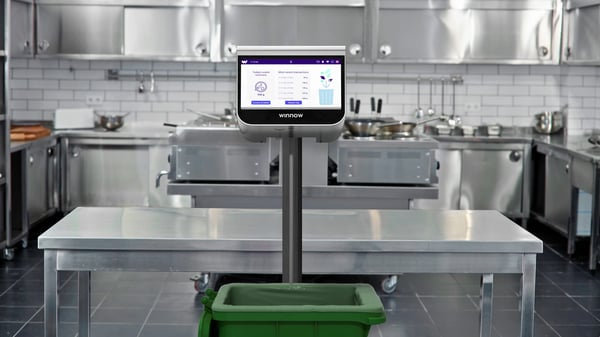
The biggest predictor of trustworthy, portfolio-wide data is not capture detail. It is whether staff can skip the process under pressure. Winnow's approach is no-touch: a camera at the bin photographs a burst of 30+ images the instant food is thrown away and keeps the clearest frame, before the item reaches anything already in the bin. With Throw & Go, there is no scanning step and no holding a tray up to a camera — staff bin waste exactly as they normally would, in under a second, and it gets recorded regardless. The AI recognises 1,000+ food items, trained on over a billion images, and covers both pre- and post-consumer waste.
Compare that with above-bin cameras, which still need a staff member to hold each item up before it records, or scale- and scan-based systems, which ask staff to weigh, categorise, or present trays at two points in the service cycle. Each extra step is a point where a busy shift quietly drops the process, and data completeness follows adoption rather than the other way round.
Ask any vendor: "Does capture require an action from staff, and how long does it add per disposal?", "How does the system handle several items binned together?", "What is the published accuracy rate, and how was it measured, and on what menu?".
What to evaluate: analytics

Measurement only pays off if it changes what happens in the kitchen the next day. Winnow's platform lets any user download data filtered by date, food type, site, or region, alongside dashboards built for both individual chefs and portfolio-level leadership.
For groups reporting under CSRD, the bar is an auditor, not a chart. Winnow's data maps to ESRS E5-5, which requires waste quantities in tonnes and a statement of whether figures come from direct measurement or estimation. Each disposal into the measured waste bin is weighed, timestamped, and photographed, giving sustainability teams the site-level evidence underneath a group's consolidated report.
Ask any vendor: "Can we filter and export by site, region, and time period?", "Is the data granular enough to survive an audit under our reporting framework?", "What do chefs see day to day, and who coaches the team on acting on it?"
What to evaluate: support
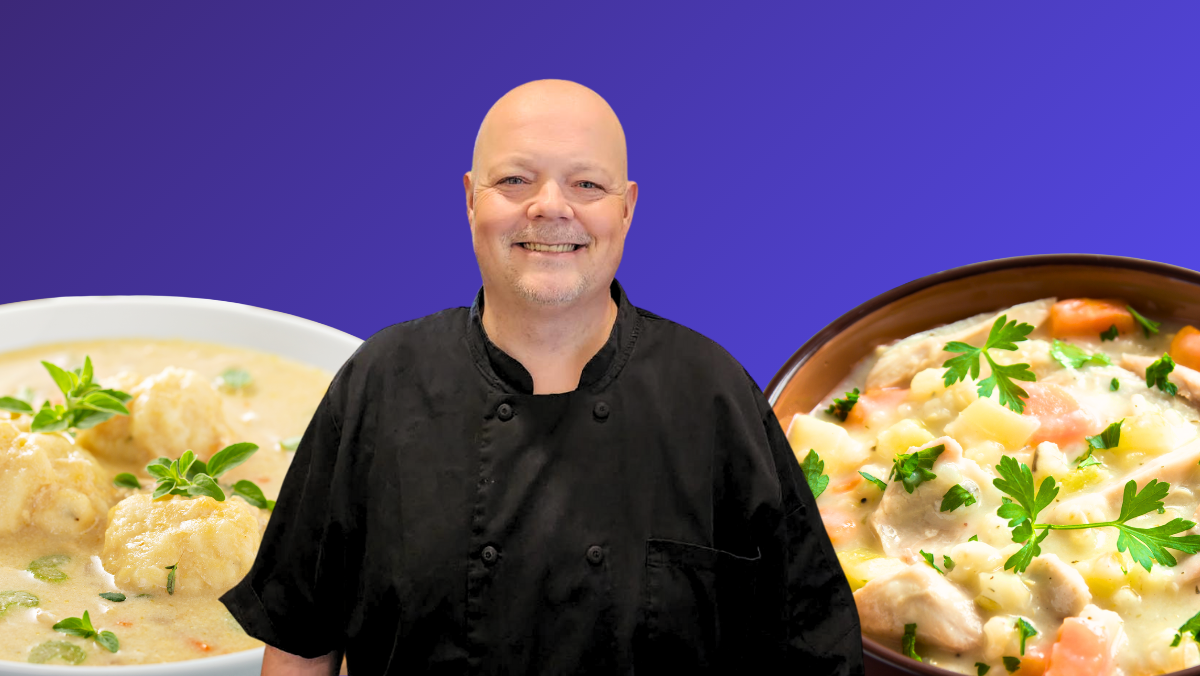
Adoption is cultural, and it tends to spread faster than teams expect. At Hilton Bali Resort, Executive Chef Clinton Webber cut food waste 62 percent in eight months, diverting 38 tonnes from landfill and saving 95,000 meals.
"Some of the ones I thought wouldn't be into it are the most involved." — Clinton Webber, Executive Chef, Hilton Bali Resort
Choosing a food waste platform is also choosing a partner, and at portfolio scale, support is where the return is won or lost. Winnow's per-site subscription typically bundles onboarding, a kitchen coaching program, baseline validation by a Winnow customer success manager, and ongoing skill sessions on top of the hardware and software. Iberostar, for one, is scaling Winnow across 100-plus hotels after a pilot. The pattern most enterprise rollouts should follow: validate on a small set of sites, then expand with the coaching model already proven.
Ask any vendor: "What's bundled into the subscription: coaching, support, replacement hardware?", "Can you show audited results across a portfolio like ours, not one flagship site?", "What are the contract term, exit terms, and hardware ownership at the end?"
The four system types, at a glance
|
What to compare |
No-touch AI capture (Winnow) |
Above-bin camera |
Smart-scale weighing |
Scan-based tray systems |
|---|---|---|---|---|
|
Staff effort per disposal |
None — bin as normal |
Hold item to camera |
Weigh and categorize |
Present pans twice per service |
|
Waste coverage |
Pre- and post-consumer |
Mainly kitchen |
Depends on placement |
Production and plate/tray |
|
Rollout |
~15 minutes, no technician |
Freestanding, self-install |
Plug-in |
Countertop, on-site assembly |
|
Track record |
3,500+ sites, 94 countries |
Varies, smaller footprints |
Varies, smaller footprints |
Varies, smaller footprints |
Common mistakes when comparing vendors
- Choosing on capture point alone, rather than whether the system runs unattended every shift without staff skipping it.
- Treating one flagship site's percentage as a forecast for the whole portfolio.
- Underweighting support and language coverage on multi-country rollouts, which is usually what makes or breaks adoption.
- Comparing one vendor's top-tier product against a rival's entry-tier product.
- Taking a vendor's own comparison page at face value on a competitor's current spec. Cross-check any specific claim against the competitor's own current sheet or a live demo.
Frequently asked questions
Does a food waste system slow the kitchen down?
Not with no-touch capture. Winnow's Throw & Go records waste with no extra step from staff, in under one second per disposal, because the AI captures it automatically as food is binned. Manual and scan-based systems add a step that teams often skip during busy service, which is exactly when the data matters most.
How accurate is Winnow's AI?
Winnow's AI is 80% accurate, and that figure covers 100% of everything thrown away in the kitchen. Systems where staff can bin food without recording it sometimes report higher accuracy on incomplete data, missing over 30% of total waste. A high score on a fraction of the waste still leaves an incomplete cost picture.
How much does food waste management software cost?
Vendors rarely publish prices, and Winnow doesn't either. Most charge a per-site subscription covering hardware, AI software, reporting, and support, priced by product tier, kitchen size, and number of sites. Given typical savings of $5,000 to $50,000-plus per site per year, first-year ROI is usually 2 to 10x.
Does installing a food waste system require a technician?
No, for Winnow specifically. Units can be pole-mounted, wall-mounted, or free-standing, and a standard setup takes about 15 minutes with no technician or IT involvement. A technician is only provided if a wall-mount unit is needed.
Can food waste data support CSRD or GRI 306 reporting?
Yes, when the data is measured rather than estimated. Winnow's records are weighed, timestamped, and photographed per disposal, which maps to ESRS E5-5's requirement for waste quantities in tonnes and a stated measurement basis. That gives sustainability teams auditable, site-level evidence underneath a group's consolidated report.
Which type of system fits a multi-site hotel group best?
No-touch AI capture at the bin generally fits multi-site groups best, because it removes the one step busy kitchens tend to skip and keeps data comparable across every property. Winnow runs this way across 3,500+ kitchens in 94 countries, with IKEA cutting waste 54% across more than 30 countries on the same platform.
Sources and further reading
- Winnow vs. Winnow alternatives: What competitor comparisons get wrong (Blog Article)
- Why Winnow — winnowsolutions.com/why-winnow
Last updated: August 2026


Ready to reduce food costs in your kitchen?
See how Winnow helps your kitchens produce the right amount. Kitchens worldwide trust it.